


FACTUAL ENTERTAINMENT, TV SERIES - CASE STUDY
Warner Bros. Discovery, Inc.
HOW DO ANIMALS DO THAT
How Do Animals Do That? is a nature documentary series for Animal Planet, produced by WAG TV for Discovery Network. The series ran for 40 episodes across two seasons, with Hugh Bonneville narrating, and used specialist footage and expert commentary to reveal the science behind extraordinary animal behaviour.
I was brought in as a freelance motion designer through Flayr FX to design and deliver the complete graphic package for the series, covering both the series-level identity and the individual programme graphics across all 40 episodes.
CLIENT
Warner Bros Discovery, Inc.
INDUSTRY
TV Broadcasting
SECTOR
Nature Documentary
YEAR
2018
PRODUCTION COMPANY
WAG ENTERTAINMENT
01 - THE BRIEF
What the client needed
The Challenge
Delivering a graphic package for a 40-episode broadcast series presented two distinct challenges running in parallel.
The first was building a consistent series identity from scratch, a main title sequence and a set of series graphics that would hold across every episode and represent the brand Animal Planet had established on Discovery Network. The second was producing unique graphic sequences for each individual programme, with every episode requiring its own bespoke visual treatments tied to the specific animals and stories featured within it.
For the first 20 episodes, that work had to be completed to a weekly post-production schedule with a fixed Saturday transmission date, leaving no margin for delay at any stage of the process.
The Objective
The objective was to build a complete graphic identity for the series and sustain it across 40 episodes without any drop in quality or consistency. The series graphics needed to establish a visual language strong enough to carry the whole run, while the programme graphics had to feel fresh and specific to each episode’s subject matter.
Working as a freelance motion designer via Flayr FX, embedded within a post-production pipeline running to broadcast deadlines, the goal was to deliver work that met Discovery Network’s broadcast specifications and gave WAG TV a graphic package they could rely on from the first transmission through to the final episode.
02 - THE APPROACH
How we tackled it
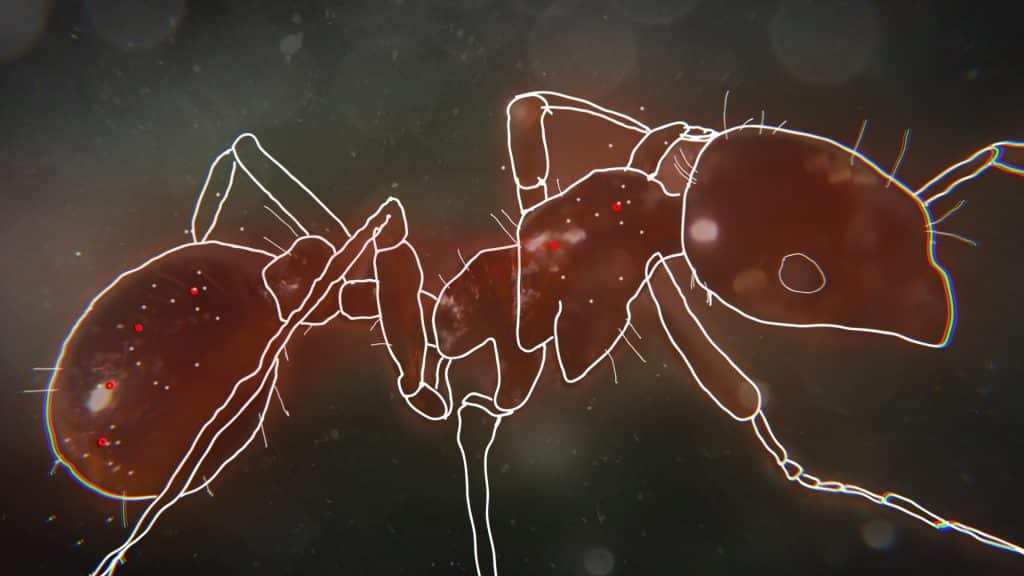
The starting point was establishing the series graphic language before individual episode work could begin. The main title sequence set the visual tone for everything that followed, defining the motion style, typography, and colour palette that would run across all 40 episodes.
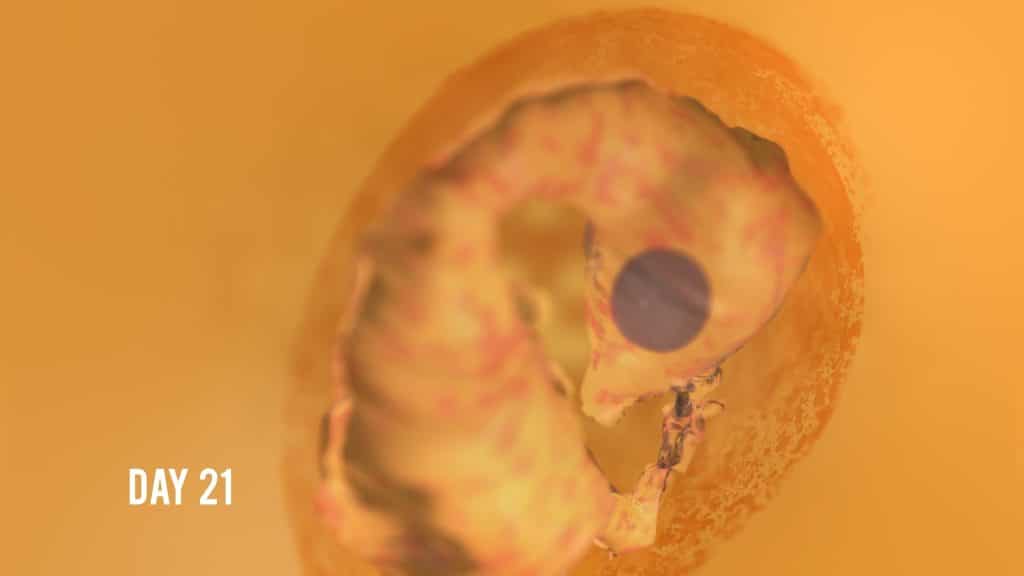
Once that foundation was in place, the focus shifted to building a programme graphic system that was consistent in structure but flexible enough to accommodate a different animal subject every week. Each episode required its own unique graphic sequences, designed around the specific creatures and behaviours featured in that programme, meaning no two episodes carried the same visual treatments beyond the series-level elements. With the first 20 episodes locked to a weekly Saturday transmission date, the workflow had to be tight and reliable.
Broadcast deadlines are fixed, and every graphic, from name straps to bespoke sequences, had to be finished, approved, and delivered on schedule every week without exception. Organisation and speed were built into the process from the start, running alongside the creative work to ensure the weekly TX date was never at risk.
03 - THE PROCESS
01
Reviewing the series brief and episode content for all 40 programmes, establishing the scope of the graphic package required and mapping the creative direction for both the series identity and the individual programme graphic system.
02
Designing the main title sequence and defining the motion language, typography, colour palette, and graphic style that would serve as the visual foundation for the entire series across both the series-level and programme-level elements.
03
Building unique graphic sequences for each of the 40 episodes, tailoring every programme’s visual treatments to its specific animal subjects and stories, while maintaining consistency with the series identity throughout.
04
Delivering all graphics to Discovery Network broadcast specifications on a weekly schedule for the first 20 episodes, with a fixed Saturday transmission date driving the post-production pipeline from the first episode through to the final delivery.
04 - THE RESULTS
THE OUTCOMES
40
2.5m
91m
How Do Animals Do That? premiered on Animal Planet on 6 January 2019, broadcasting into a channel available in approximately 91 million US households and reaching 2.5 million viewers per quarter in the UK alone.
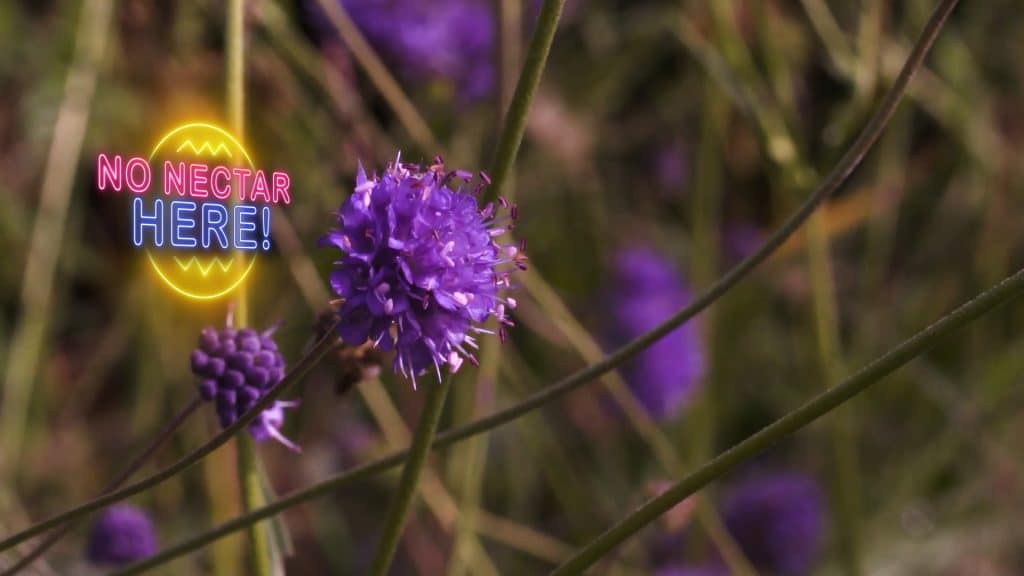
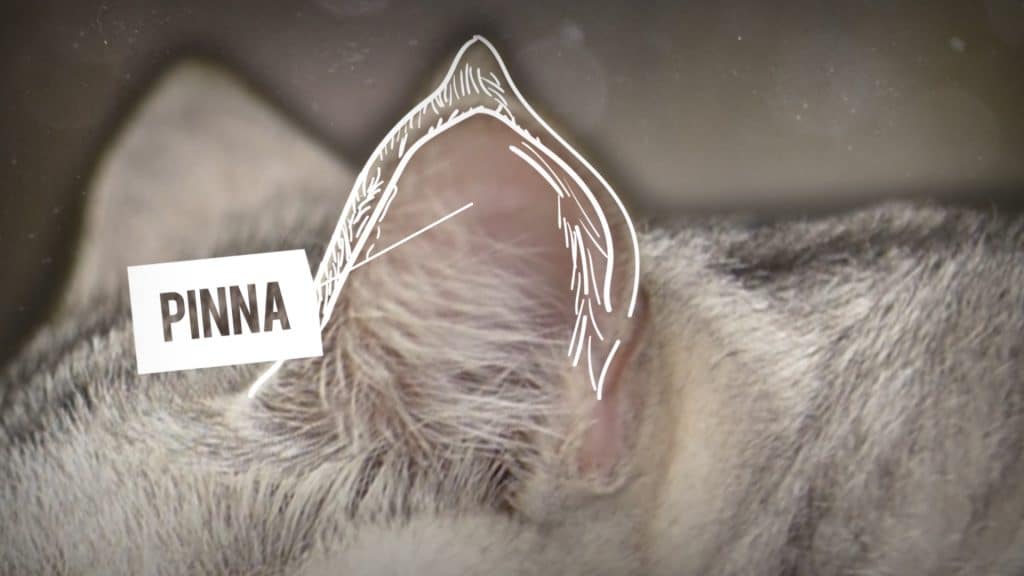
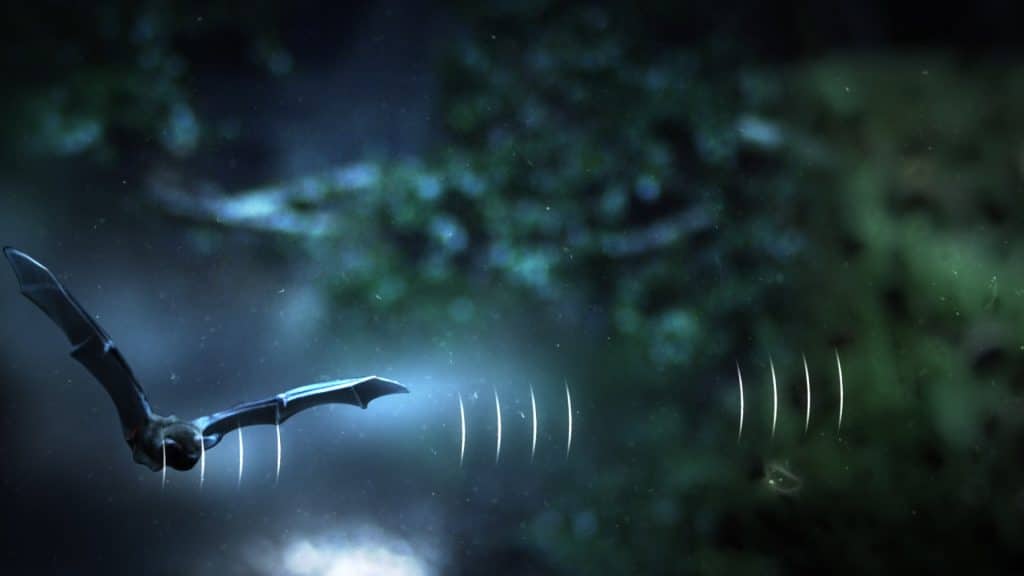
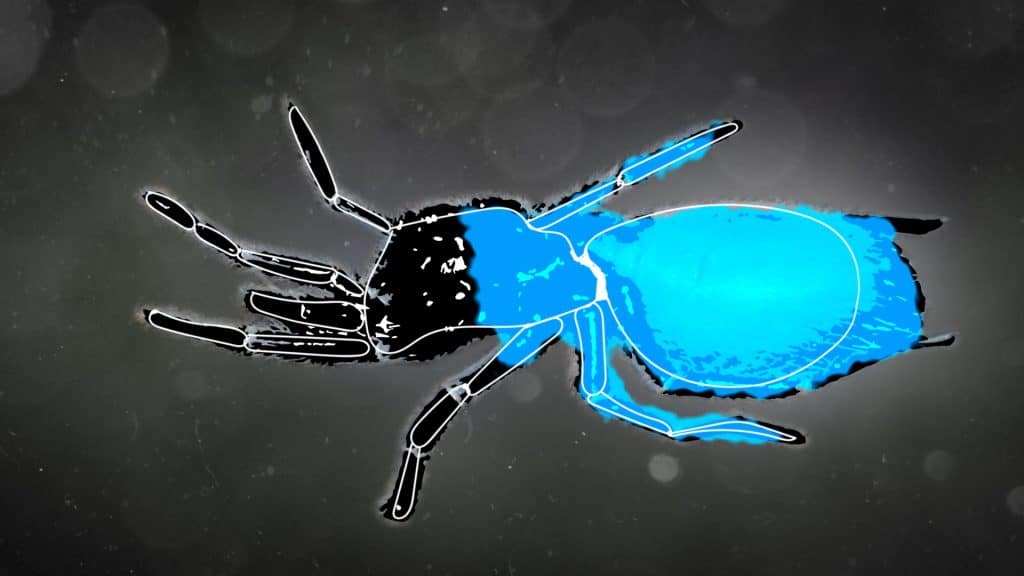
Every frame of every episode that aired carried graphics designed and delivered through Flayr FX, from the main title sequence that opened the series to the bespoke graphic sequences built specifically for each of the 40 programmes. That output was produced by a single freelance motion designer, working to broadcast specification, on a weekly post-production schedule that left no room for delay.
The first 20 episodes were delivered to a fixed Saturday transmission date without a single missed deadline, with each programme requiring its own unique visual treatments alongside the consistent series-level elements. Sustaining that volume and quality of work across a full broadcast series, for a channel owned by Discovery Network and watched by millions of viewers, represented the kind of large-scale, high-pressure commission that defines professional broadcast motion design work.
05 - THE APPROACH
Working on How Do Animals Do That? was a landmark project for me. Contributing to the complete graphic identity for a 40-episode Animal Planet series, from the main title sequence through to the individual programme graphics, was exactly the kind of commission I had worked towards. and knowing every episode carried something I had built from scratch, made it one of the most rewarding projects of my career.
BEHIND THE LENS
Ready to tell your story?
If you’re looking for a film that does more than look good; one built around your business goals…let’s talk.