9 Tips for pursuing a career in post-production
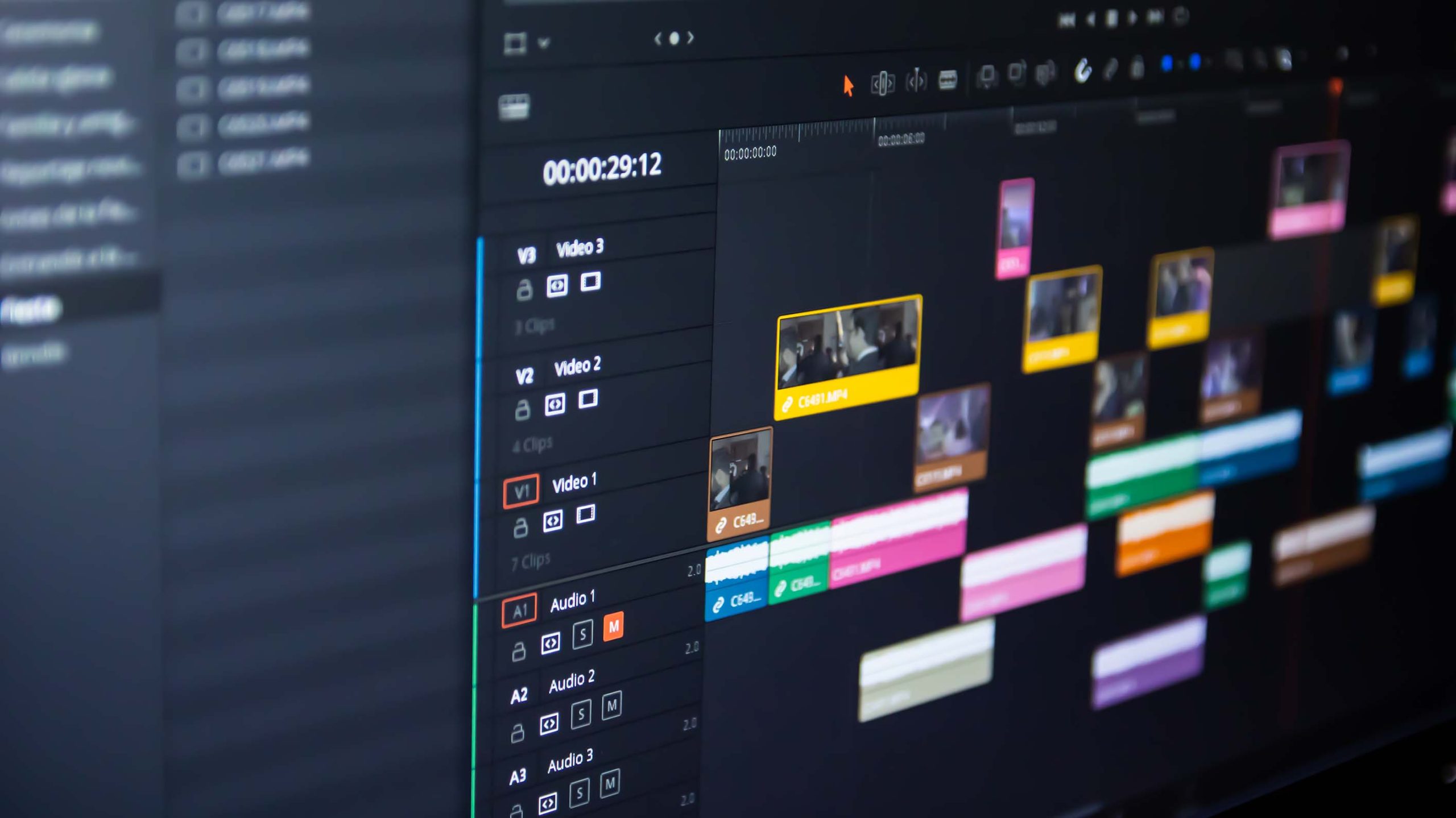
Breaking into the film and video industry can feel challenging, especially when you’re searching for your first post-production jobs. Editing, colour grading, motion graphics, and sound design are all critical parts of the filmmaking process, but competition for roles can be high. The good news is that with the right approach, skills, and mindset, you can successfully begin a rewarding career in post-production.
Whether you want to become a video editor, motion designer, VFX artist, or assistant editor, there are several practical steps you can take to improve your chances of landing your first role.
Below are nine powerful tips that can help you launch your editing career and start finding real opportunities in post-production.
1. Learn the Core Post-Production Software
Most post-production jobs require proficiency in industry-standard editing software. If you want to be taken seriously as a candidate, you need to be comfortable working with professional tools used in film, television, and digital media production.
Some of the most widely used programs include:
You don’t need to master every application immediately, but becoming highly skilled in one or two platforms can give you a strong foundation. Many editors start with Premiere Pro or DaVinci Resolve before expanding into other software as their careers grow.
2. Build a Strong Portfolio or Showreel
When applying for post-production jobs, employers want to see what you can actually do. A well-crafted portfolio or showreel is often more important than a CV.
Your showreel should demonstrate:
Editing ability and pacing
Storytelling skills
Visual style and creativity
Technical competence
Try to keep your reel between 60 and 90 seconds and showcase only your best work. If you don’t yet have professional projects, you can create practice edits using public footage, short films, or personal creative projects.
3. Start With Small Projects
One of the fastest ways to gain experience in post-production jobs is by working on smaller projects. Many filmmakers, YouTubers, and small production teams are constantly looking for editors and post-production support.
Consider working on:
| Project Type | Description |
|---|---|
| Short Films | Short films are a great way to gain hands-on editing experience while collaborating with filmmakers. These projects often require strong storytelling, pacing, and creative editing techniques. |
| YouTube Content | YouTube creators frequently need editors for vlogs, tutorials, and entertainment videos. Working on YouTube content can help you develop fast turnaround editing skills and understand audience engagement. |
| Student Films | Student films are often produced by film schools or media courses and provide valuable opportunities to work on narrative projects while building connections with emerging filmmakers. |
| Independent Documentaries | Independent documentaries allow editors to develop storytelling through interviews, archive footage, and real-world events, helping build strong narrative editing skills. |
| Social Media Content | Social media projects involve editing short-form videos for platforms like Instagram, TikTok, and LinkedIn. These projects help you learn fast-paced editing and platform-specific video formats. |
These projects help you build real experience, expand your portfolio, and develop relationships with creatives who may recommend you for future work.
4. Network Within the Film and Video Industry
Networking is extremely important when trying to secure post-production jobs. Many opportunities are never publicly advertised and are instead filled through personal recommendations.
Ways to build your network include:
Attending film festivals and industry events
Joining online filmmaking communities
Connecting with editors and filmmakers on professional platforms
Collaborating on creative projects
The more people who know about your skills and interests, the more likely you are to hear about new opportunities.
How to get accepted at film festivals | YouTube
5. Understand the Entire Post-Production Workflow
Editors who understand the full workflow of post-production are far more valuable to employers. Even if your main focus is editing, it helps to understand other parts of the pipeline.
Key areas to learn include:
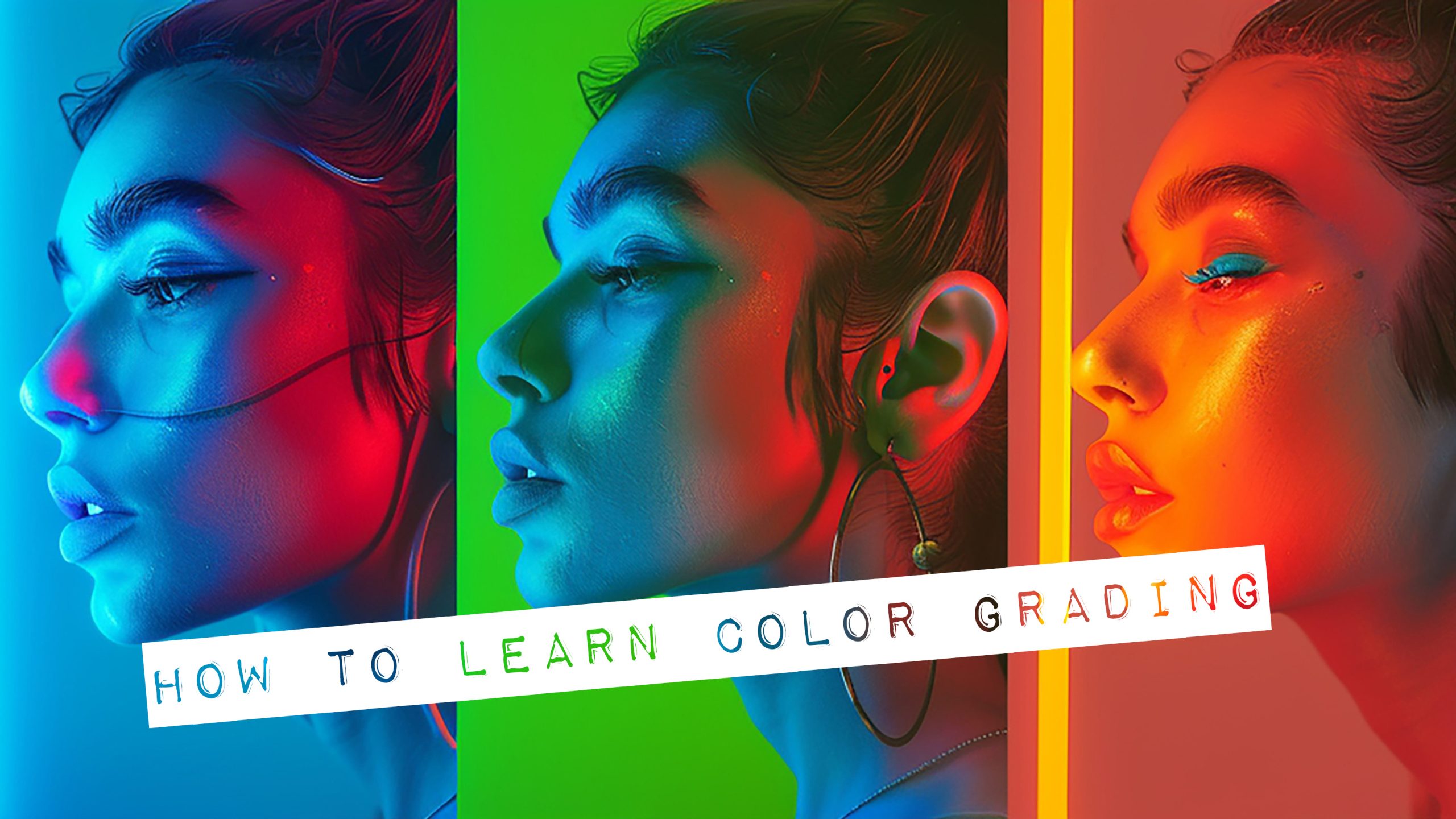
- Colour correction and grading.
- Motion graphics
- Visual effects
- Sound design and mixing
- File management and media organisation
Understanding the bigger picture makes you a stronger collaborator and can open the door to more advanced post-production jobs.
6. Develop Strong File Organisation Skills
Post-production often involves working with large amounts of footage, audio, graphics, and project files. Poor organisation can slow down a production and frustrate your team.
Learning good project management habits is essential. This includes:
| Organisation Practice | Description |
|---|---|
| Clearly Labelled Folders and Sequences | Use clear, descriptive names for folders, bins, and sequences so that footage and edits can be easily located by anyone working on the project. |
| Properly Organised Media Files | Group video, audio, graphics, and assets into structured folders to keep projects tidy and prevent missing or misplaced files during editing. |
| Consistent Naming Conventions | Adopt a consistent system for naming files, clips, and sequences so that collaborators can quickly understand the structure of the project. |
| Backups and Project Versioning | Regularly create backups and save different versions of your project to protect your work and allow you to revert to earlier edits if needed. |
Professional editors are valued not only for their creative skills but also for their reliability and organisation.
7. Stay Updated With New Industry Tools
The world of post-production jobs is constantly evolving. New editing tools, AI-powered workflows, and creative technologies appear every year.
Successful editors stay ahead of the curve by:
Following industry blogs and tutorials
Watching training content online
Experimenting with new plugins and software
Learning new editing techniques
Continuous learning helps you remain competitive and ensures your skills stay relevant in a fast-moving industry.
8. Apply for Assistant Editor Roles
Many professionals begin their careers in post-production jobs by working as assistant editors. These roles provide hands-on experience and allow you to learn directly from experienced editors.
Assistant editor tasks often include:
Preparing project files
Organising footage
Syncing audio
Exporting versions
Managing media
While the role may not always involve creative editing initially, it’s one of the best ways to build experience and move up within the post-production industry. There are websites with jobs boards specifically for production and post-production jobs listed such as Mandy.com, CreativeCow and Productionbase.
Searching through these sites can lead to new opportunities so it’s always worth keeping an eye on them.
9. Be Patient and Keep Creating
Landing your first post-production jobs rarely happens overnight. The early stages of a career often involve persistence, practice, and continuous improvement.
The most important thing you can do is keep creating. Edit personal projects, collaborate with filmmakers, and constantly refine your skills. Over time, your experience, network, and portfolio will grow, making it easier to secure professional work.
Final Thoughts
Starting a career in post-production jobs can be incredibly rewarding for anyone passionate about storytelling, filmmaking, and creative technology. By learning industry software, building a strong portfolio, networking with filmmakers, and gaining real project experience, you can begin carving out your place in the editing world.
Every professional editor started somewhere. With dedication, curiosity, and consistent practice, you can turn your passion for editing into a long-term career in post-production.
- What is Motion Graphics: A Practical Guide for Content Creators - February 2, 2026
- Free Adobe After Effects Cheat Sheet - January 16, 2026
- Free Instagram Safe Zone Templates (1080×1920 Vertical) for Reels, Stories & Social Media Videos - August 22, 2025

Leave a comment
You must be logged in to post a comment.