THE NEW YORK FILM ACADEMY, 2006

JAMIE STEEDMAN @ FILM SCHOOL

Projects and Information about Jamie's time at the New York Film Academy in 2006

Jamie attended film school in New York City in 2006 for the 1 year filmmaking and directing course where he would learn the techniques and skills that would shape his later career in film and television production. This year studying at the New York Film Academy was an intensive, all-hands-on, crash course in directing, cinematography, lighting, sound, editing and directing actors. The course consisted of making films throughout the year culminating in a thesis film which was to be written and directed by each individual student.

The year was 2006 and a pivotal year in the film world as this was the time when the first digital camera broke out onto the scene and began to be adopted in Hollywood and beyond in professional filmmaking. Luckily the course was split into two, with Jamie’s year being the first that would get to experience making films on 16mm Arriflex film cameras, a 35mm workshop with a Panavision camera and the second half working with the first digital cameras on the market. 

COURSE PROJECTS

Learn about the film projects Jamie worked on

1ST SEMESTER - 16MM FILM

All projects shot with 16mm Arriflex Cameras

PROJECT 1 - MISE-EN-SCENE

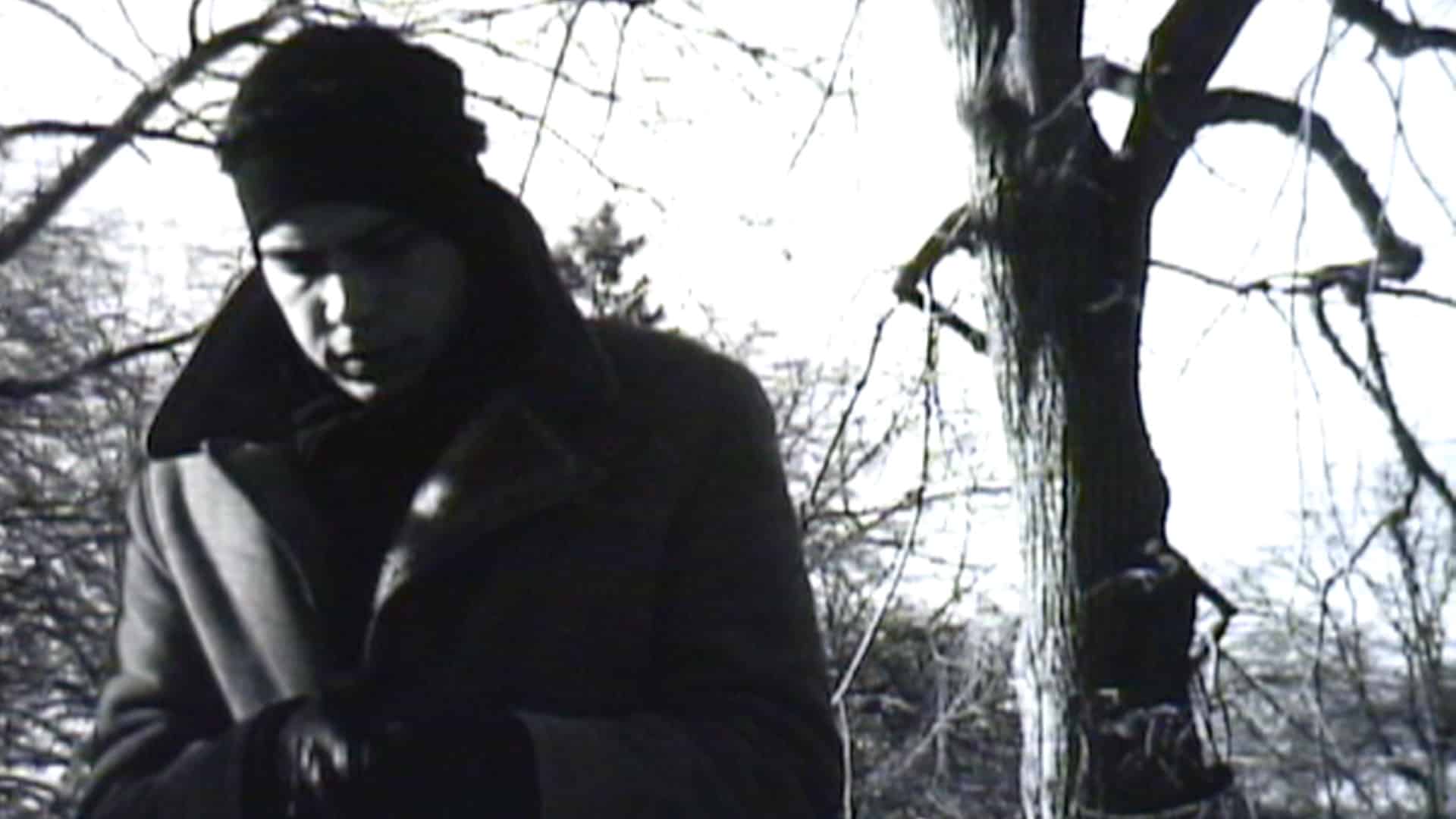
Each Student will make a short film of 60 seconds to one minute in 1 shot.

This project teaches you how the relationship of the subject and the camera creates drama. You will design and shoot one to three shots in order to produce a scene, which has a beginning, middle and an end .

Pay close attention to your choice of lenses, distances, and angles. Since you will tell your story in no more than three shots, be sure you design each shot to express as much as you can about the characters and their actions .

Rehearse each shot for actor and camera blocking until you get right; only then should you roll film. You will shoot 1 roll of black and white reversal film then edit and screen your film.

You will work in crews of four. You may use your crew as actors or you may utilize the file of actor’s headshots located near the Internet workstations to find actors.

Keep in Mind you will not be cutting to a sound track.

Allotted Shooting Time: 3 hours

Editing Time: One 4 hour slot

Screening Time: Up to 2 minutes

PROJECT 2 - CONTINUITY

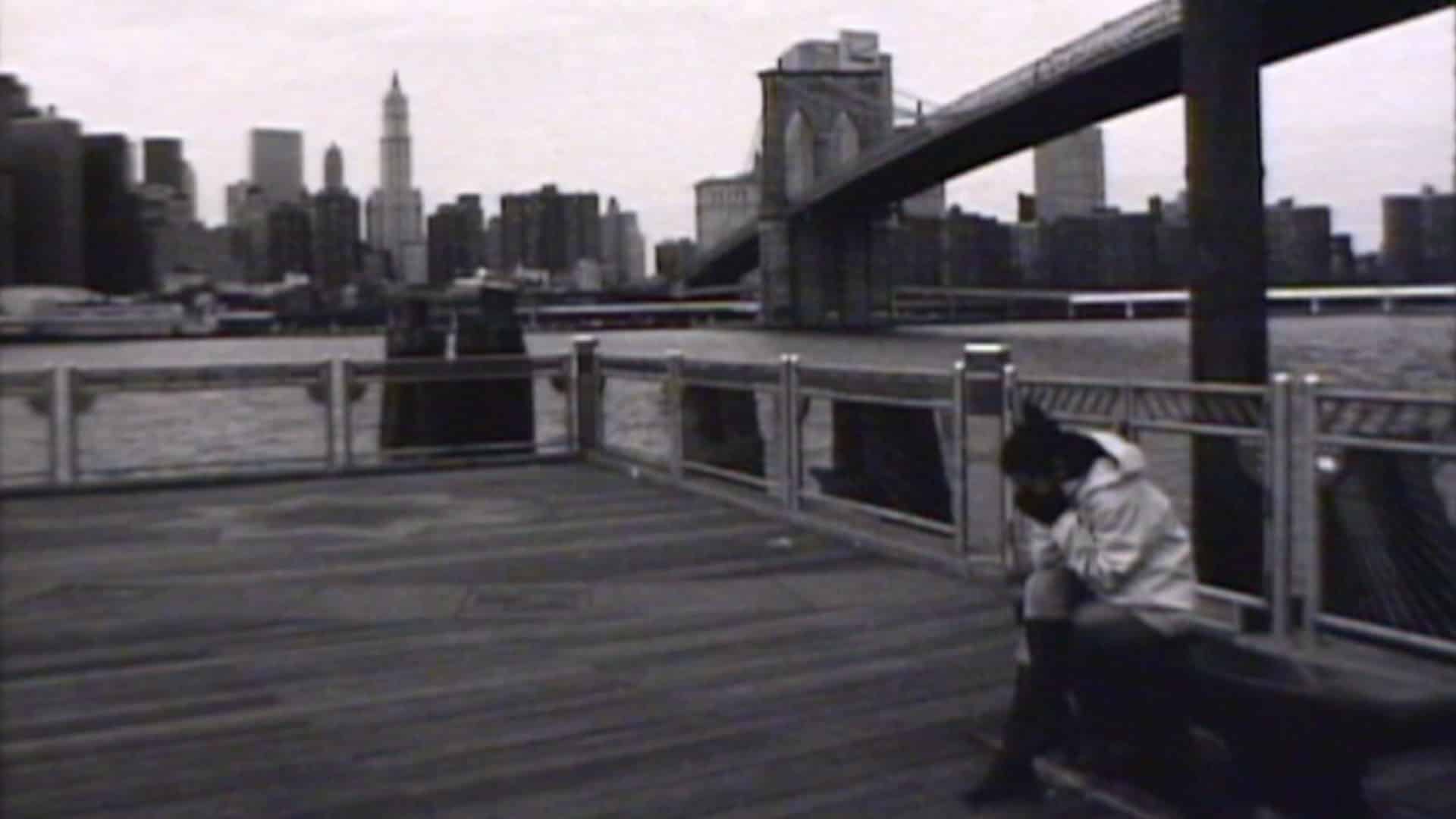
Shoot a dramatic scene to create a feeling of continuous action. The scene unfolds utilizing a variety of shots (10-15) with a consistency of physical detail between shots intended to match (no jumps in time or action). This will challenge you to produce a clear, visual scene while maintaining the truthfulness of the moment. It is essential that he audience believe in the reality of the scene.

Do not shoot without thoroughly pre-planning the following elements:

You will shoot 2 rolls of film then edit and screen your film.

Allotted Shooting Time: 4 hours

Screening Time: Up to 3 minutes

Editing Time: Two 4 hour slots

PROJECT 3 - MUSIC & MONTAGE

Choose a short selection of music. Plan and shoot this exercise with the music in mind. Students are ,;ncouraged to use montage style editing to move the story or idea forward. This film may be simply a

film accompanied by music or a “music video” type of piece. You may use only one song on this project.

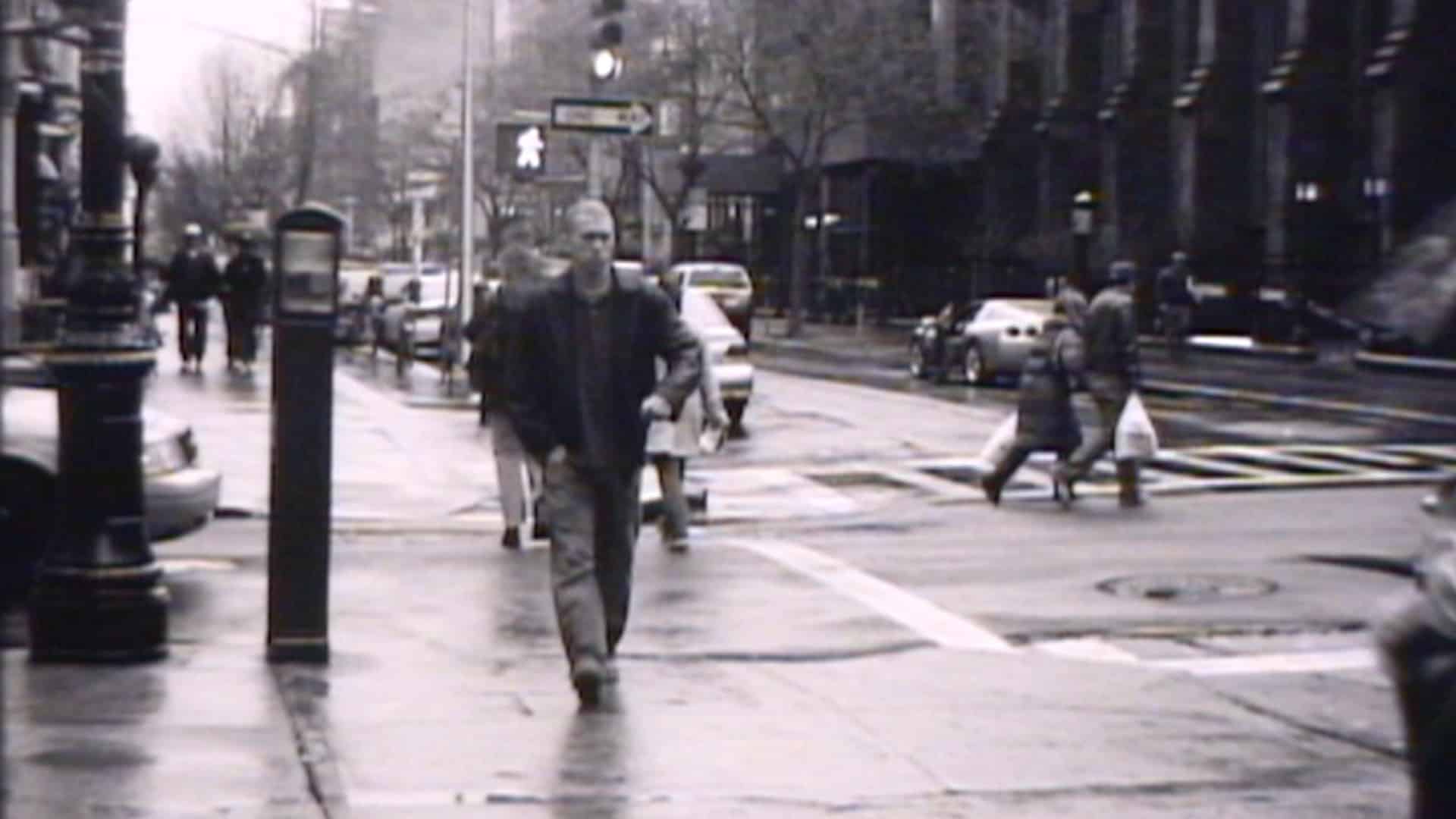
Montage can be used to great effect in the compression of time and to create visual collisions or unexpected continuations between shots. In the editing room you should cut the images to work in concert with or in counterpoint to the music.

Students should experiment with rhythm and pacing. Shooting two rolls of film, each student will make a short film of one to three minutes then edit and screen his or her film. A good genre for a musical impression is a profile of a person, a place, an abstract, or an experimental film.

In addition to storyboards, you may use a still camera to get a better idea of your film. It can help you in the choice of locations, distances and angles, lighting etc … It is great supplement to a storyboard.

Keep in mind you will not be cutting the sound track.

Allotted Shooting time: 5 hours

Editing time:Three 4 hour slots

Screening time: Up to 4 minutes

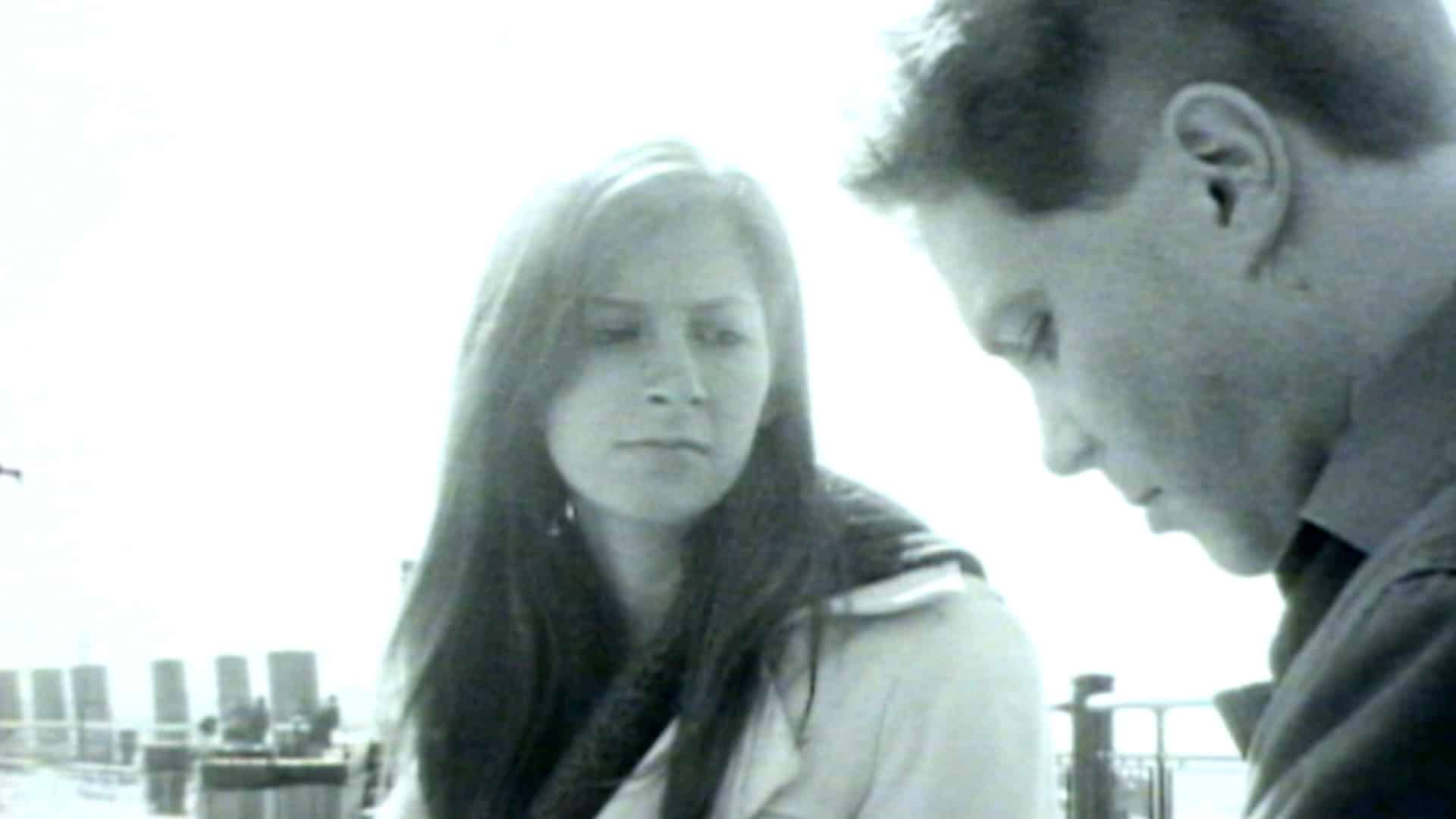
PROJECT 4 - SHORT FILM

"LIFE GOES ON"

Write a short script of 3 to 10 pages. You may choose from any genre including but not limited to: Narrative, Documentary, Episodic, Music Film, Experimental. Make a shot list, storyboard, and floor plan. Scout your locations. If you are experiencing any trouble with locations please see Claude, Emily or Ben at least two weeks before your shoot.

Cast your film and rehearse the action. It is advisable to videotape your actors. There is a big difference between a live casting call and seeing your actors on tape. You have one week of preproduction and advisements.

Create a production book with tabbed dividers including your shooting schedule. You have two full days to shoot your film.

Edit for one week. Use up to two tracks of sound incorporating voice over, music, sound effects and/or ambient sound. Screen your rough/fine cut film in final screenings.

Allotted Shooting Time: 2 days

Screening Time: Up to 10 minutes

REMEMBER, LESS IS OFTEN MORE! The quality of a film is never determined by the amount of money spent. There is no substitution for creativity, ingenuity, resourcefulness, and above all, pre- production.

ANY FILM OVER 10 MINUTES WILL NOT BE SCREENED!

In order to be screened, all films must have: “PRODUCED AT THE NEW YORK FILM ACADEMY” in their closing credits

1ST SEMESTER - DIGITAL FILMS

All projects shot with HVX200 Panasonic Cameras

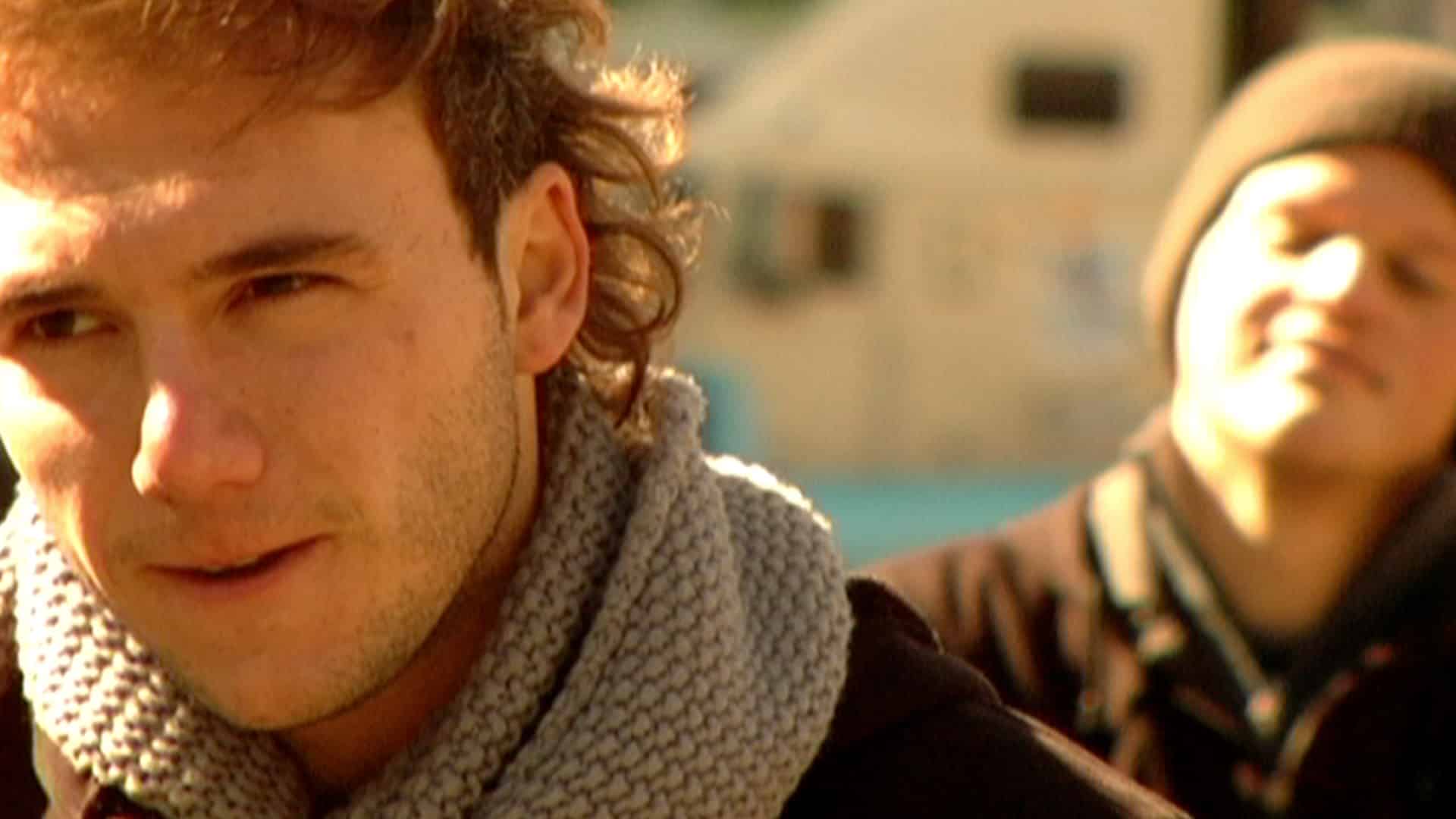
PROJECT 5 - CHECKOVIAN

Working with the spoken word. Text vs. subtext

Students each direct a brief page of dialog (provided by the instructor) that has no written physical detail or action. The director determines who the characters are (based on the work they have done in their fourth non-sync film or the characters they are developing for their second semester film). The director chooses the location, the situation, back story, and especially the objectives and beats of the characters in this scene.

Students will find that these elements will determine the meaning of the dialog and should reinforce their understanding of text versus subtext.

Allotted Shooting Time: 5 hours

Editing Time: 2 Four hour time slots

Screening Time: Up to 4 minutes 

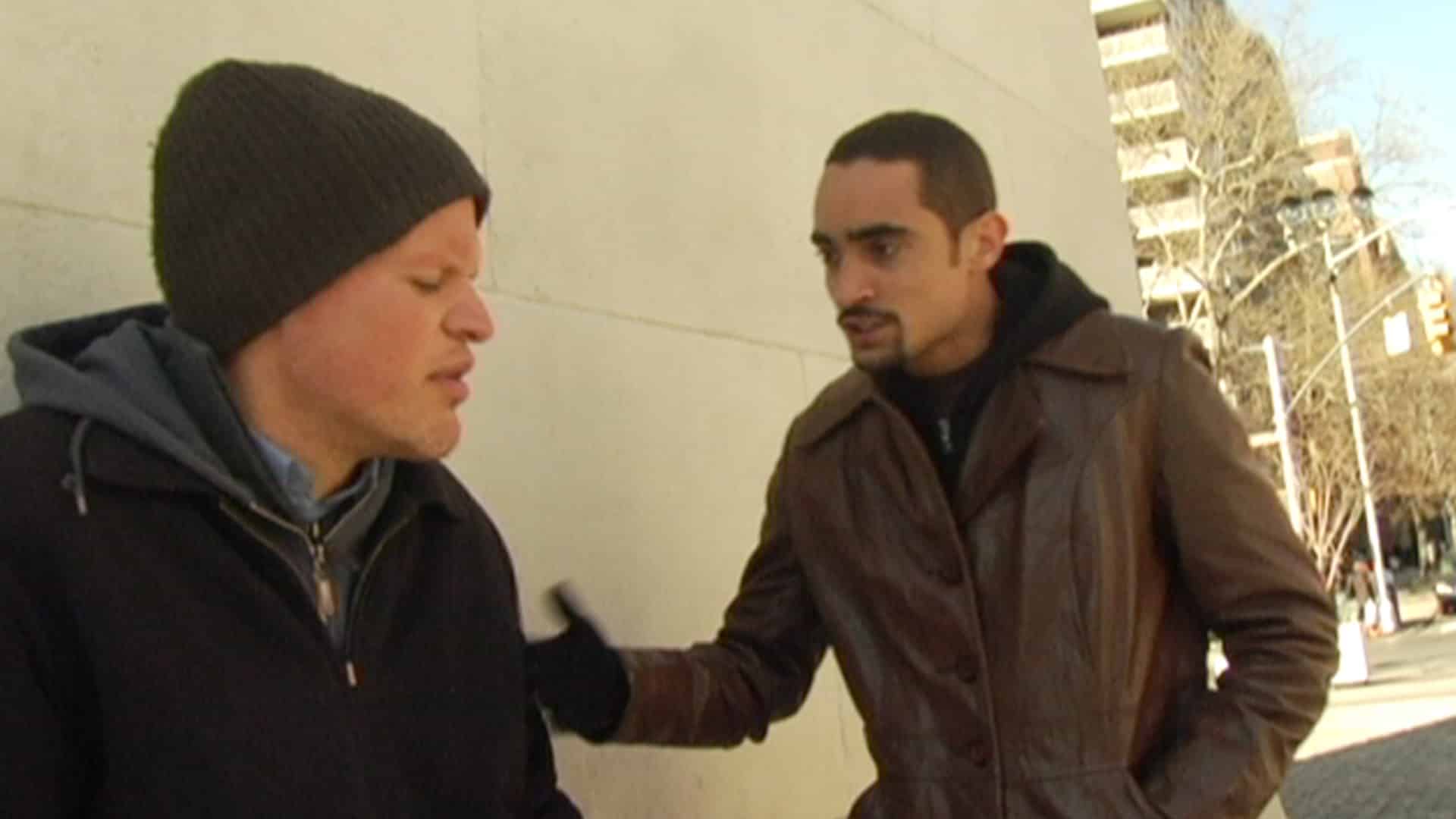
PROJECT 6 - DIRECTING ACTORS

Produce, Direct, and Edit a scene from a feature film. Act in at least one scene directed by a classmate.

Each student will choose a scene of up to two pages that must be approved by the instructor.

This project challenges students to identify the dramatic objectives and beats of a scene and translate them into psychological and physical actions. It requires a thorough analysis of the scene (and an understanding of how it fits into the arc of the feature as a whole).

Each student will create a production packet that includes a dramatic breakdown of the scene, a contact sheet, shot list, and shooting schedule. Parts will be cast from within the class. Productions must be fully pre-produced with location, art direction, and wardrobe choices made in advance.

In addition to producing a scene, students will also act in one. This experience gives students greater insight into working with actors and helps them understand the dramatic requirements of a scene through experience. Students are required to fully memorize their lines.

Scenes must be thoroughly rehearsed before production. At this time directors will give specific adjustments to the actors based on the interpretation of the scene. Staging and shot choices will inevitably be altered during rehearsal. Rehearsal will be accomplished both inside Directing Actors Class and independently outside of class-time.

Instructors may observe students’ productions on the set, and give them critical advice during the shoot.

Allotted Shooting Time: 5 hours

Screening Time: 1-2 minutes

Editing Time: One four hour slot


PROJECT 7 - PRODUCTION WORKSHOP 1

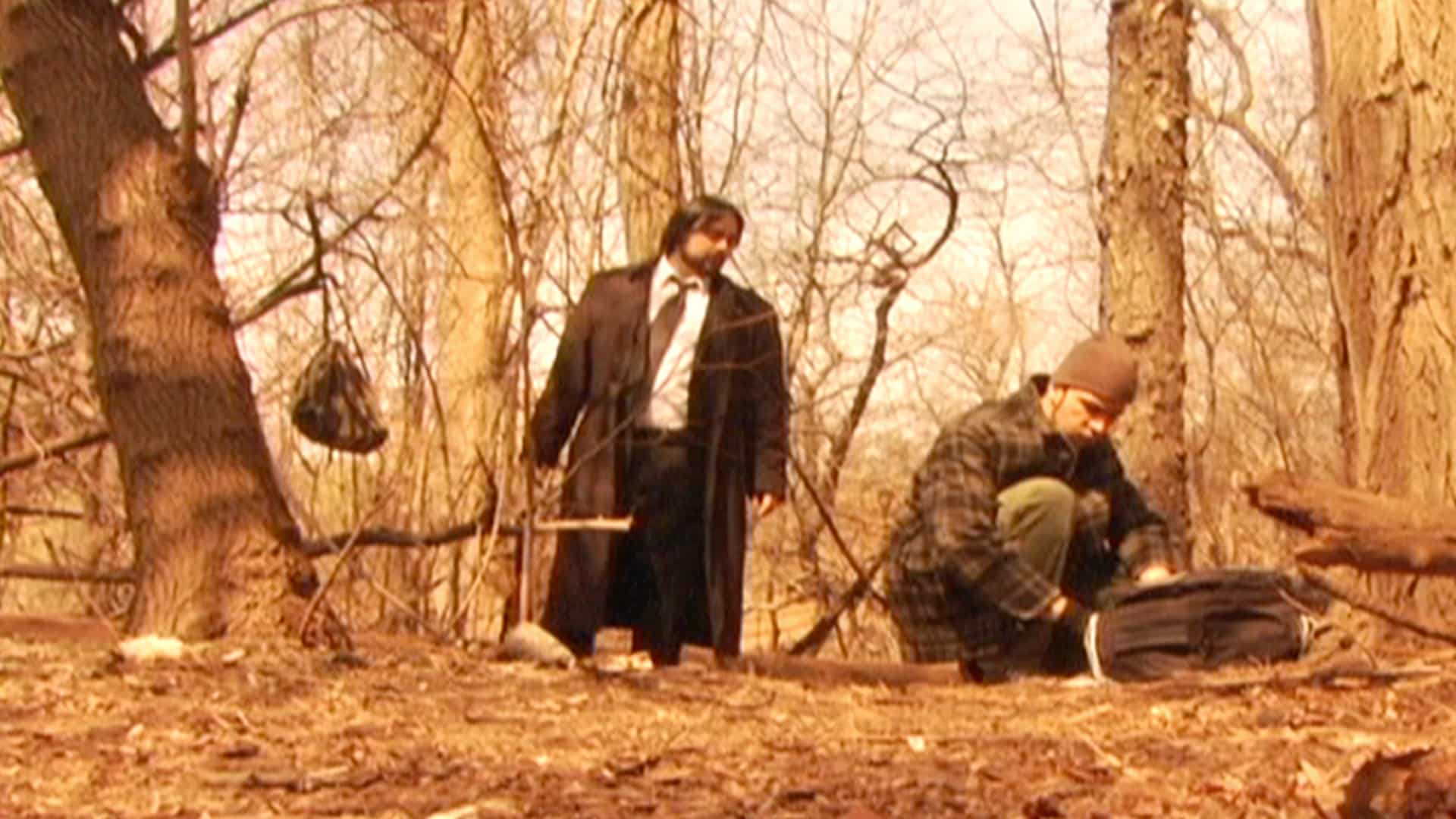
Continuing on from the Directing Actors project, a collaborative class project which Jamie volunteered to direct was to be done by choosing a famous scene from a movie and recreating it with the class.

Jamie chose a scene from the Deer Hunter.

PROJECT 8 - FINAL SEMESTER FILM

This Project draws from visual and dramatic lessons learned throughout the first semester course.

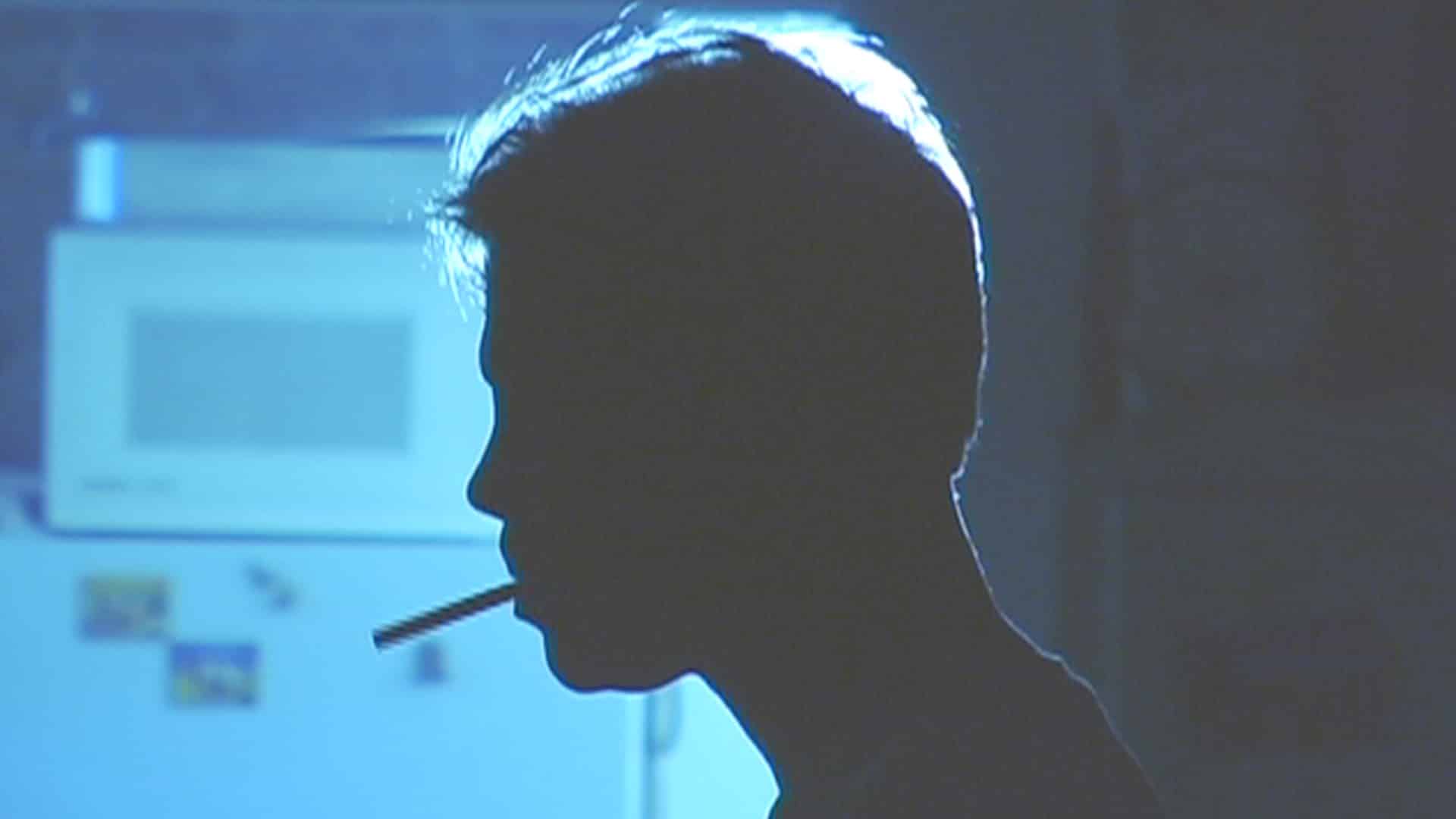
Each student will make a short film shot on digital video up to 12 minutes long.

You may choose either a narrative or documentary format. This project teaches you how incorporate dialogue into your writing, direction of actors and on set production techniques.

If a student chooses to make a documentary film, he or she must attend the “Exploring the Documentary Format” elective.

Dialogue filmmaking presents a new range of creative opportunities for your projects. However, many filmmakers abandon visual storytelling when they are presented with the opportunity to direct a sound film. An effective balance of dialogue scenes and visual storytelling is artistic goal for this assignment.

Make a shot list, storyboard, and floor plan. Scout your locations!!


Cast your film and rehearse the action. It is advisable to videotape your actors. There is a big difference between a live casting call and seeing your actors on tape. You have one week of preproduction and advisements.

Allow extra time to direct your actors on the set. This is an excellent opportunity to refine your direction of actors before the thesis film ensues. Remember that directing sync sound is more time consuming than MOS shooting.

In order to be screened, all films must have “PRODUCED AT THE NEW YORK F!LM ACADEMY in their closing credits.

Allotted Shooting time: 2 Days

Editing time: 1Week

Screening time: Up to 12 minutes