independent film distribution

The routes to film distribution

The rise of affordable filmmaking technology has made it easier than ever to create films outside the traditional studio system. Cameras, editing software, and visual effects tools are now widely accessible, allowing filmmakers to produce professional-quality work with relatively small budgets. However, finishing a film is only part of the journey. The next crucial step is independent film distribution, which determines how a film actually reaches an audience.

Independent film distribution is the process of delivering a film created outside major studios to viewers through cinemas, streaming platforms, digital rentals, and broadcast deals. Without the marketing budgets and infrastructure of large studios, independent filmmakers must rely on strategic partnerships, film festivals, and creative marketing to ensure their films are seen.

Understanding how it works is essential for any filmmaker hoping to bring their work to audiences worldwide.

Cannes seen from Le Suquet (Wikipedia)

What Is Independent Film Distribution?

At its core, independent film distribution is the system that connects filmmakers with viewers. A distributor acts as the intermediary between the film and the marketplace, helping secure deals that make the film available to the public.

Companies involved in independent film distribution typically handle tasks such as:

  • Licensing films to streaming platforms

  • Organising theatrical releases

  • Negotiating television rights

  • Coordinating marketing campaigns

  • Managing international distribution deals

Some of the most well-known companies specialising in film distribution include A24, Neon, and IFC Films. These distributors focus on bringing independent cinema to global audiences and often champion films that may not receive traditional studio backing.

Film Festivals 

Film festivals play a critical role in film distribution. For many filmmakers, festivals are the first opportunity to present their work to distributors, critics, and industry professionals.

Major festivals such as the Sundance Film Festival, Toronto International Film Festival, and Cannes Film Festival are particularly influential in the independent film distribution process.

At these festivals:

  • Distributors search for promising films to acquire

  • Sales agents negotiate deals for different territories

  • Journalists and critics generate publicity and reviews

A strong festival premiere can dramatically improve a film’s chances of securing a distribution deal.

Sales Agents 

Another important part of film distribution involves sales agents. These professionals represent a film in the global marketplace and help secure deals with distributors in different regions.

Instead of one company handling worldwide distribution, independent films are often sold territory by territory. For example:

  • One distributor may handle the United Kingdom

  • Another distributor may release the film in North America

  • Additional companies may manage Asia, Europe, or Latin America

This territory-based model allows distribution to reach audiences across multiple countries while maximising revenue opportunities.

rows-red-seats-theater

Theatrical Releases

Although streaming platforms dominate modern viewing habits, theatrical releases remain an important part of distributing independent films.

Independent films often begin with a limited theatrical release, which may include:

  • Independent cinemas

  • Art-house theatres

  • Special screenings and film society events

  • Festival-related showings

Limited theatrical runs can generate critical reviews, press coverage, and audience buzz. This attention can strengthen a film’s reputation before it moves to other film distribution channels such as streaming and digital rentals.

Streaming Platforms

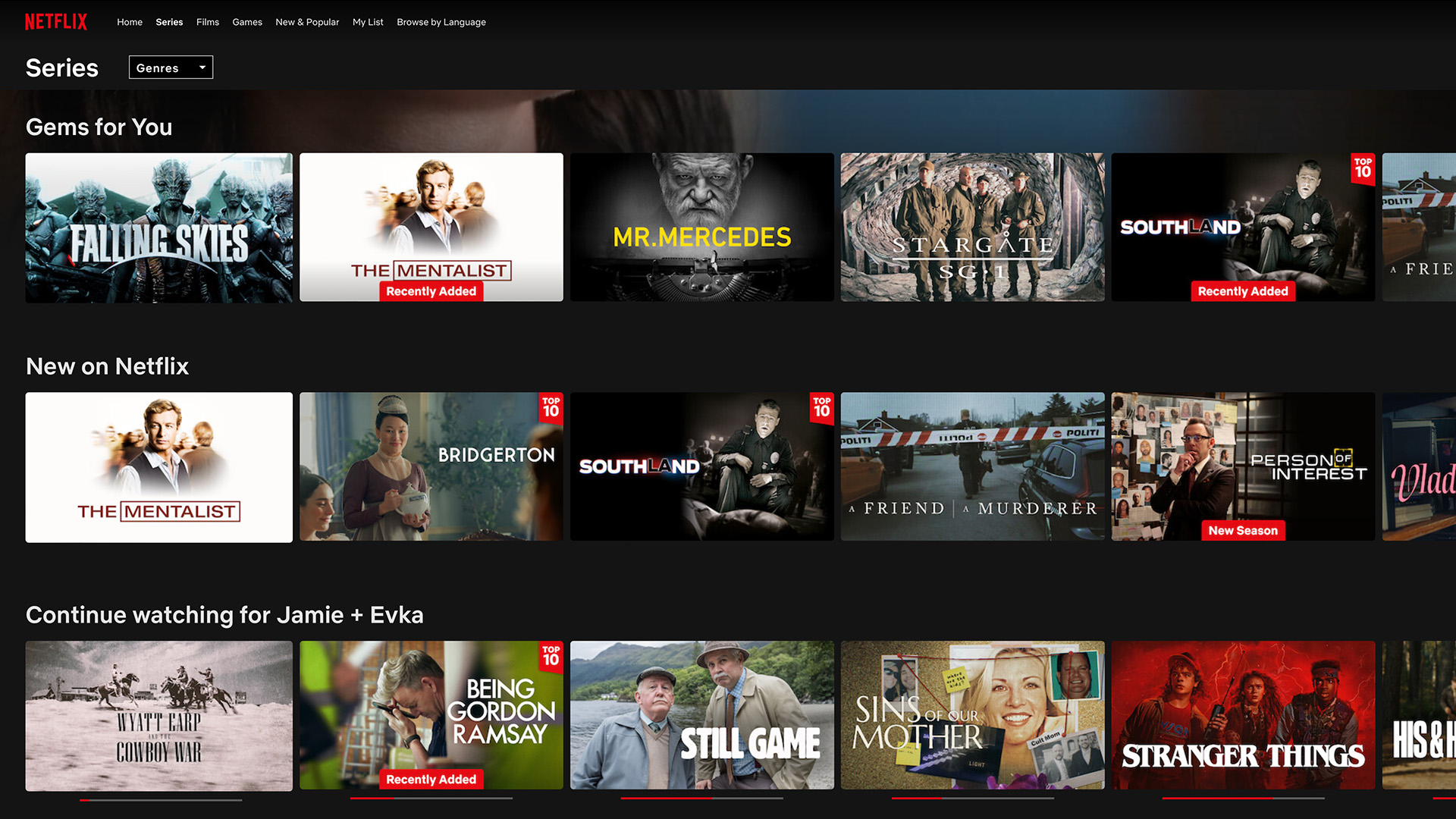
Streaming services have transformed the landscape of film distribution. Platforms such as Netflix, Amazon Prime Video, and Apple TV+ regularly acquire independent films and release them to global audiences.

There are several ways independent film distribution works with streaming platforms:

  • Streaming platforms may directly acquire the film

  • A distributor may license the film to a platform

  • Aggregators may deliver the film to digital storefronts

Streaming has become a powerful tool for film releases because it allows filmmakers to reach viewers worldwide without relying solely on traditional cinema releases.

Video on Demand

Another key part of distributing film is Video on Demand (VOD). This model allows audiences to rent or purchase films online.

Platforms supporting VOD releases include:

Digital platforms allow independent film to target niche audiences more effectively. For example, documentary films, genre films, and experimental projects often perform well through digital distribution supported by online marketing campaigns.

Self-Distribution

In some cases, filmmakers choose to manage independent film distribution themselves. This strategy, known as self-distribution, gives creators full control over how their films are released.

Self-distribution strategies may include:

  • Selling the film directly through a website

  • Hosting community screenings

  • Organising limited theatrical events

  • Distributing through online platforms

  • Using social media marketing to reach audiences

While self-distribution requires significant effort, it allows filmmakers to retain greater control over revenue and marketing decisions.

independent film distribution

Marketing and Independent Film Distribution

Even the best distribution strategy will struggle without strong marketing. Independent film relies heavily on building awareness and excitement around a film.

Marketing techniques used alongside independent film distribution may include:

  • Social media campaigns

  • Trailer releases and teaser clips

  • Press interviews and media coverage

  • Influencer promotion

  • Festival publicity

Because independent films usually have limited marketing budgets, creative promotional strategies often play a vital role in helping films stand out in a crowded marketplace.

The Future of Independent Film Distribution

The landscape of film distribution continues to evolve. Digital technology, streaming platforms, and global online audiences have created new opportunities for filmmakers to share their work without relying entirely on traditional studios.

At the same time, the volume of new films released every year has increased dramatically. As a result, successful independent film distribution requires careful planning, strong marketing, and strategic partnerships.

Filmmakers who understand the mechanics of independent film distribution are far better positioned to ensure their films reach the audiences they were created for.

Final Thoughts

Independent film distribution is one of the most important stages in the filmmaking process. After production and post-production are complete, distribution determines whether a film finds its audience or remains unseen.

From film festivals and sales agents to streaming platforms and self-distribution, the modern landscape offers many pathways for independent film distribution. By combining smart strategy with creative marketing, independent filmmakers can bring their stories to viewers around the world and ensure their films have the opportunity to make a lasting impact.

Jamie Steedman
Follow me
Leave a comment